Codependency and Grief: Are These Feeling States Connected?

Codependency and Grief

Do you sometimes feel sad or lonely when a loved one does not know how to ‘make you feel better’? Have you ever felt left out by a group of friends? Do you sometimes feel scared, fearful, or abandoned in important relationships?

If you answered yes to any of these questions, then your original attachment grief and codependency are likely very connected to how you feel in relationships.

Both attachment original grief and codependency are formed in us at very early ages and experiences. Original attachment grief are the feelings we are left with when we do not get enough of our emotional and/or physical needs met by our early caregivers. When we do not get enough of our early needs met, we begin to develop survival tools to try and get others to meet our needs, and this is how we learn codependent patterns in relationships.

Both early attachment grief and codependency are born out of not getting enough of our needs met, so yes, they are definitely connected.

For codependency, when we expect a loved one should be able to read our mind and help us feel better, that is going to always fall short, as others are not powerful enough to make us feel better, rather that is a healthy adult skill we must learn how to do for ourselves. When our loved one cannot ‘make us feel better’, that feeling is going to feel like the original attachment grief we experienced as young children. So, the cycle of original attachment grief and codependency becomes it’s own way of feeling and perceiving the world and those around us.

We feel lack. We feel alone. We wonder why no one wants to meet our needs and be in connected relationship with us. Sometimes, we even feel unworthy and not important, and no one loves us.

Original grief creates the codependent survival tools that we use to try to feel better, when we feel empty and alone.

The cure for both of these feeling states lies in the super healing power of deep grief. When we can learn how to decode and access our deep Original Grief, we can heal at the deepest of levels. We can cure both our attachment issues as well as codependency, both if unhealed disrupts healthy relationship participation and responses.

If you want to learn how to heal and feel transformed, contact me at sophia@queencityhealthysex.com

You can also purchase Original Grief Workshops at www.drsophiashealingshop.com

Check me out on www.intherooms.com every Wednesday noon EST, Codependency, Grief, and Relationships meeting

Also, find me at (socials here please)

Have You Ever Wondered How to Feel Your Feelings?

Feeling our feelings can sometimes be very easy or it can seem like we can’t actually feel them, and we may feel ‘stuck’ instead. This can be different for everyone at different times in our lives, depending on what we are trying to feel, and if our subconscious brain is letting us feel.

If we are ‘stuck in my head’ that likely means we are thinking our feelings, rather than feeling them. If we are thinking our feelings, we are telling ourselves negative messaging for how we already feel.

So, how can we go from thinking our feelings to feeling our feelings?

Step 1: Let yourself think your feelings, listen to the negative messaging, and stop trying to ake the negative messages stop, just go with it and see what’s next

Step 2: Get curious

Step 3: Where in your body do you feel the Pain Point about the negative messaging?

Step 4: When you find a spot in your body that feels pain, invite your mind to travel there and remain and focus on the feeling. Our feelings actually live in our body, not our mind.

Step 5: Feel as long as you like, then get grounded and do something that helps you feel restored, for example:

-Meditate

-Have a hot cup of tea

-Use a weighted blanket

-Take a hot bath

-Connect with a safe friend and share your feelings experience

Do these steps again and again until feelings your feelings become more natural for you.

Feeling the range of your feelings is the pathway to feeling more joy, peace, and love in your life.

Why is ‘Making the Reach’ So Important in Addiction Recovery?

‘Making the Reach’ is what I call reaching out for connection. Making the Reach is an essential component of addiction recovery and intimacy building skills. The act of Making the Reach trains our brain to attempt healthy connection with others. When we try and connect with others in healthy ways, this shifts us away from isolation, depression, fear, and addictive behaviors. Making the Reach also puts us in control of the connection we create in our lives, rather than being codependent and waiting for others to reach for us and meet our needs. There is POWER in learning to get comfortable Making the Reach.

Something that is so great about Making the Reach is that even if the person we are reaching out to does not meet us, we still benefit; meaning we benefit from reaching out to others regardless of the outcome. Of course, it feels better to receive connection from our reach, but even when that does not happen, the shift that happens in our brain and nervous system is still occurring. That’s AMAZING!!!

The more often we Make the Reach, the more healthy we become, and the more our brain and nervous system becomes calm and confident in relationships with others. We learn not to live or die by the outcome of our Reach, but rather we become safe and content in ourselves.

In addiction recovery, making phone calls and connecting with others is the thing we are taught to do when we want to act out or use. Why is this? CONNECTION is the CURE for addiction. It is a well-known fact, that people who have healthy relationships become addicts less of the time. In addiction recovery, Making the Reach is the behavior we must do……make the phone call, schedule the meeting with a sponsor, etc., rather than waiting to receive a phone call or wait for your sponsor to schedule a meeting. Making the Reach is active, not passive, and the act of Making the Reach creates brain change away from addiction.

To schedule a consultation with Dr. Sophia, please email her at sophia@queencityhealthysex.com or text her at 919-698-7061.

You can also watch her videos at: https://www.youtube.com/watch?v=xL2wZGiTUh8

Dr. Sophia’s Call to Mental Health Therapists

Dear Colleagues,

I am writing this blog post in hopes that you will read this and take to heart my request.

Please, please refer clients to qualified CSAT therapists if they are sex addicts or betrayed partners.

I see all too often, people not get the care they need because they work with therapists who think they can treat these issues without having extensive training. I also hear from clients on a weekly basis how upset they are that they have wasted so much time, energy, and money working with therapists who are not specially trained in this work.

The frequent results are addiction is not in check, recovery is not happening at a deep level, partners do not get the support they need and leave a relationship that could be saved if the right therapists were on the team.

Sex addiction is not basic addiction work. Sex addiction is much uglier, much more harmful in a personal and self-esteem eroding manner, and is expert at creating the worst kind of shame for an addict. The betrayal trauma of having a sex addicted partner is like no other betrayal we can experience. This type of betrayal trauma makes us think we are crazy and also makes us question if our lives are even true or real. Sex addiction destroys relationships on every level.

Sex therapy is not sex addiction recovery expertise.

There is so much extensive training we CSAT’s do, so we can effectively treat addicts, partners, couples, etc., in their recovery, so they can decide the path that is best for them. This is very complicated work and it takes a team of true experts in the field to make this a successful recovery for our clients.

Please join us CSAT’s in this very important training, we would love to have you on our team.

If you decide it is not for you, that’s fine too, please seek a CSAT referral, or other highly trained therapist in sex addiction.

Thank you for reading and considering.

Warmly,

Dr. Sophia Dorton Caudle

What is Intensive Psychotherapy?

What is Intensive Psychotherapy?

Intensive psychotherapy is highly effective and much faster than regular weekly therapy.

Intensive psychotherapy is typically a 4 or 8 hour session with either an individual or couple. Intensive Psychotherapy is not simple talk therapy. Intensive therapy includes intentional planning, EMDR, somatic therapies, homework, and written agreements for aftercare and follow through.

Why does Intensive Psychotherapy need to be so long?

It takes approximately 90 minutes to get into our deeper level feelings. In a typical 50 minute therapy session, we may remain in our more surface feelings, such as anger or fear, and in longer sessions we can access our root cause feelings, such as grief. Grief healing work is the deepest of work, and we want to spend time in our grief, so we can heal at our deepest level and move through and into peace and serenity.

We also want to remain in the deep grief for as long as we can, because this builds our intimacy tolerance, and allows us to Show Up more in our lives and in our relationships.

GRIEF TOLERANCE=INTIMACY TOLERANCE

Intensive Psychotherapy helps move people much more quickly out of habitual isolation, addiction, negative self talk, and unhelpful attachment habits. Two-three days of high quality intensive psychotherapy can decode a lifetime of attachment issues and unhelpful habits, provide deep healing, and teach homework for processing and moving forward.

Intensive psychotherapy is the big leagues of therapy. Intensive work is ideal for people who want to get better quickly and live the lives they deserve to live.

If interested in giving yourself the gift of high quality intensive work, please contact Dr. Sophia at 919-698-7061 or sophia@queencityhealthysex.com

What is Reparenting?

reparenting


Everyone has something that needs reparenting, and this a good thing, because when we heal ourselves intentionally, then we have the power to learn how to respond to emotional triggers, instead of reacting into our triggers and then creating a big mess. Sometimes these emotional wounds can be easier to heal, and sometimes we can have very severe wounds to heal, such as severe neglect or abuse and traumas.

What we need reparenting around is connected to what we did not get in regards to Care, Comfort, Safety, Nurturing, and Affection. If there are physical needs that we did not get, then that is very important to reparent, so we do not stay stuck in our small child place of fear. If we experienced benign neglect, which is more difficult to identify, then it is still very important to heal this early wounding, because even the more quiet needs we did not get when we were little have a very serious effect on us as adults…..these early woundings are what created our attachment style, even if we never experienced trauma or abuse.

Reparenting is a way of giving ourselves what we did not get enough of as children, so we can fully show up in our healthy adult selves.

If you are interested in taking the deep dive into learning how to reparent yourself, please check out my Reparenting Workshop at www.drsophiashealingshop.com

I am also available for online or in person intensives for individual personal work, please email me at sophia@queencityhealthysex.com

How A Therapist Traces Relationship Issues Back To Your Brain feature post on DatingAdvice.com

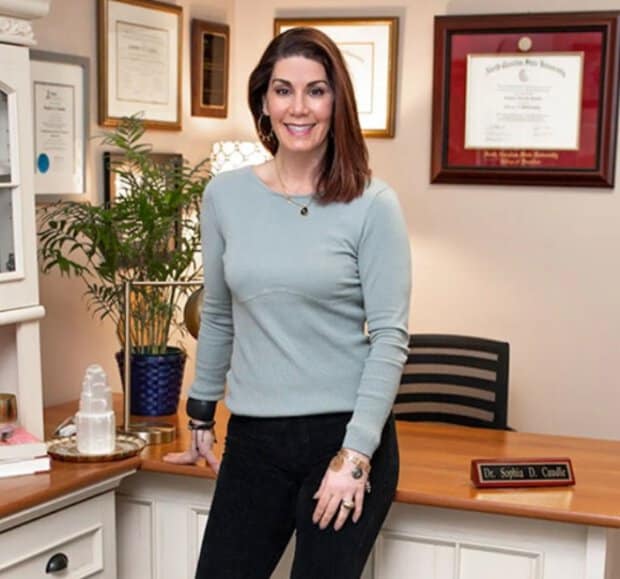
The Short Version: Dr. Sophia Dorton Caudle, a psychotherapist based in North Carolina, has made a career out of diving into people’s heads. She specializes in sex therapy and addiction for all ages. Dr. Sophia gave us some insight into how relationship issues can be traced back to our childhoods, and how we can heal from deeply ingrained bad habits. 

The mind is a mysterious place. I can barely explain what goes on in my own head, let alone what goes through someone else’s. Sometimes, my closest loved ones make decisions that simply baffle me. What were they thinking?! What was thinking?! And while we’re on the subject, how much do our psyches factor into our romantic relationships, anyway?

Most of us run from oncoming conflict, but Dr. Sophia Dorton Caudle of Queen City Healthy Sex and Relationships meets relationship problems head-on. If someone comes to her with a problem of the heart, head, or both, she’s all in — because they’re usually connected.

“I have a strong interest in intimacy and relationships,” she told us. “In my practices, we focus on sex therapy, sex addiction, trauma, grief, mood disorders, and codependency.” But really, Dr. Sophia is passionate about getting to the root cause of any relationship-related problem a couple may be experiencing.

If you want to know a person’s heart, you may have to explore your own brain first, said Dr. Sophia.

Adult Relationship Patterns Are Shaped By Your Past

TV therapists tend to nod, jot down notes, and ask “How does that make you feel?” Expect a more exploratory approach from Dr. Sophia. “We are root cause therapists,” she said of her psychotherapy practices. Root cause therapy is based in the belief that your current mental or emotional problems, such as anxiety or addiction, can be traced back to a trauma from your past.

Let’s say you struggle with sex addiction, are a chronic cheater, enjoy catfishing, or are emotionally unavailable. With the help of a specialized therapist like Dr. Sophia, you can examine the events that led to your current problems, identify the root causes, and finally begin to heal.

“We get to the root cause of everything, which is about attachment and grief,” Dr. Sophia explained. “It’s below trauma. It’s what triggers everything.”

For many people, the root cause of their issues goes all the way back to childhood. Some therapists refer to an early life trauma as one’s “original grief.”

“We’re not finding people who are emotionally unavailable because we are gluttons for punishment,” she said. Instead, we may have deeply ingrained behavioral patterns to thank for our dead-end relationships.

And as you may have guessed, the reason behind these patterns goes back to your childhood.

“When you’re very little, there was something you didn’t get enough of emotionally, and you developed patterns and tools (to cope),” Dr. Sophia explained. For example, if you didn’t get enough attention as a child, you may have realized that crying led to more hugs from your parents. Or as a teenager, the more you rebelled against your mother, the more independent you felt.

You learn to weaponize your emotions, in other words. But when you mirror these behaviors as an adult, other people aren’t necessarily going to respond the way you’re used to. Dissolving into tears for attention or fighting anyone who doesn’t put up with your outbursts doesn’t lead to a healthy relationship.

This is something Dr. Sophia has encountered many times as a psychotherapist. “We’re just taught these really unhelpful patterns from our caregivers, who were emotionally unavailable in their own ways.”

We’ve established how childhood trauma can inform the way we behave as adults. So it isn’t surprising that it can also lead to codependency — at least, at first. “When codependency stops working, we start seeking out other ways of feeling better,” Dr. Sophia said.

Self-soothing feels good in the moment, but it doesn’t address the deeply rooted issue. Plus, self-soothing often takes harmful forms in an effort to, as Dr. Sophia told us, “numb out” our bodies and minds. “Sometimes it can turn into some kind of an addiction.”

You can guess how the story goes from here. Sex, drugs, and alcohol addictions are common “numbing” agents. Dr. Sophia has seen patience self-soothe with all three. We’re not saying psychotherapy can cure addiction, but it can certainly help identify the root cause of addiction.

“We need to become more conscious of (harmful patterns) so we can unlearn them,” Dr. Sophia said. And we can start to unlearn these patterns or habits with the help of EMDR therapy.

The Benefits of EMDR and Alternative Therapy

Dr. Sophia recommends eye movement desensitization and reprocessing therapy (EMDR) for those who are ready to try this kind of emotional inner work.

Some people think therapy will cure their problems overnight, but this simply isn’t realistic. Dr. Sophia encourages people to seek professional help, but she also wants people to feel empowered enough to do their own self-work at home, and to try alternative therapies if doing so works for them.

“There’s no secret sauce to doing an alternative therapy,” she said. “As a consumer, you just want to look for a therapist who knows how to do more than talk therapy, because then you’re going to move a lot quicker.”

Talk therapy is beneficial, but it doesn’t fit everyone’s lifestyle or personality. EMDR helps the patient come to terms with traumatic moments. “Alternative therapy helps you connect the mind and the body and get into the feelings much quicker and process through it,” Dr. Sophia told us. “It’s all about figuring out how to get in the body and in the feelings.”

If you have trouble setting boundaries for yourself, you probably have trouble setting boundaries in relationships as well. If this resonates with you, Dr. Sophia recommends seeing a directive therapist.

“Leave your therapist and do not look back if they are nodding their head at you and waiting for you to (cure yourself) because that’s actually how most therapists are taught. If we knew how to do that as clients, we wouldn’t need a therapist,” she pointed out.

A directive therapist helps you craft a structured plan for your future that will challenge the habits that aren’t serving you. They’re a present guide — a coach, in a way — who keeps you focused on your relationship goals.

Dr. Sophia’s Unique Dating Plans

Dr. Sophia puts directive therapy in action with her unique dating plan. “I have a top-notch dating plan, and it’s extremely fun, helpful, and organic, which is what dating should be like,” she said.

Dr. Sophia works with clients to map out their individualized dating plans. She finds that keeping a structured plan helps people who struggle in their relationships due to, for example, childhood trauma or sex addiction.

To start, a client chooses whichever method of dating works for them: online, over an app, via speed dates, and so on. “Whatever ways you feel comfortable meeting people, just start doing that, and do not focus on one person,” she suggested. “Date as many people as you can at the same time, and just let people fall away and see the two or three that rise to the top.”

The key is to allow these relationships to happen as organically as possible. If a flirtation never progresses, then let it “fall away,” as Dr. Sophia put it. Instead of trying to control every relationship, let the chips fall where they may. “There needs to be ease. There needs to be a comfortable chemistry. Chemistry is not something we should wait for or work on at the beginning,” she emphasized.

Part of the dating plan is establishing clear boundaries and deal breakers. “Any relationship that’s not fun and easy in the first month or six months is not worth pursuing,” Dr. Sophia told us. When people inevitably “fall away” in the dating process, don’t allow them to fall away completely. Dr. Sophia recommended keeping them close.

“Cultivate the people who are falling to the side as our friends, because we’re going to meet people that way, too,” she pointed out. This can be tricky for people who are naturally avoidant, but that’s exactly who Dr. Sophia’s dating plan is for: People who have such ingrained bad habits that they need a little help establishing new, healthy habits.

The dating plan ultimately encourages people to ask themselves one question: Do I feel important in this relationship? “That’s what all relationships boil down to,” Dr. Sophia explained. “‘Do I matter? Am I important?’”

If you can’t answer that question with 100% certainty, then it may be time to dive into your partner’s psyche — and your own.


Love Partner or Life Partner, or Both…….Which Relationship Name Feels Right For You?

Our primary intimate relationship can have many different names, titles, and descriptive meanings. Husband, wife, partner, life partner, spouse, and……Love Partner.

Love Partner is a title that implies deep love and connection, with an emphasis on the feelings experienced in the relationship. Couples who describe each other as love partners may even feel as if they are soul mates. For those of us who call our partner a ‘Love Partner’, the name, life partner typically does not fit. A life partner can be an old friend or even a spouse who we are not deeply connected to emotionally. Many people are married or in long-term relationships where the term life partner fits, but the deep emotional connection is not present, and the longing to be deeply close with each other is not necessarily felt. For those of us who feel as if we are in a love partner relationship, the term life partner can feel like a business partner relationship, and a relationship that is more focused on the daily tasks of living, rather than the daily experiences of deep emotional connection.

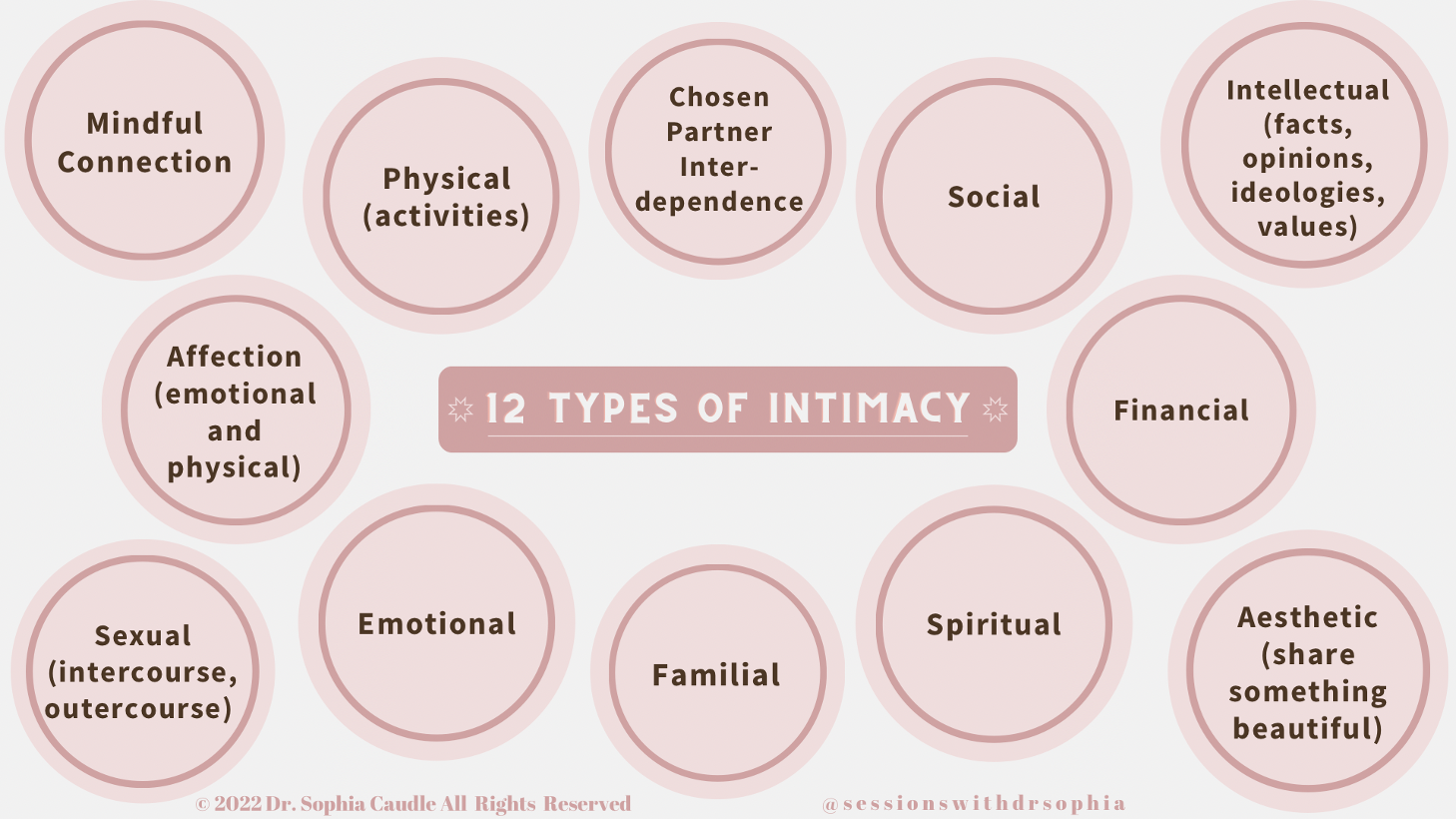
Love Partners can also share the ease of living, because the deep love and care are present. When couples find this type of ease and deep connection in relationship, amazing experiences can be shared together, because the intimacy travels into all parts of the relationship……..emotional connection, spiritual connection, intellectual connection, social connection, sexual connection, and all the other 12 Types of Intimacy.

The finding of a true Love Partner is a rare gift. There are millions of life partners who would be good matches for us, however, there are likely not many love partners, who we can deeply connect with, and vise-versa. When we are gifted to find ourselves in a Love Partner relationship, it is important to do our own personal work, so we can continue to show up and nurture the sacred space of our very special relationship.

For more information on how you can find your Love Partner relationship or how you can transform your current relationship into a Love Partner relationship, contact Dr. Sophia @ sophia@queencityhealthysex.com or sophia@bullcitypsychotherapy.com

The Power of Choosing Aloneness

As it turns out, one of the main feelings we typically try very hard not to feel, is one of our best and most effective pathways to true emotional freedom and wellbeing.

I am speaking about Loneliness or Chosen Aloneness.

When we step into loneliness or aloneness, we change the course of how this feeling affects us. If we accept loneliness and feel it fully, then eventually, we won’t feel the need to try and resist it. We try to resist feeling lonely, because it is such a difficult feeling to feel for most of us, until we let go and invite ourself into the feeling. There are many unhelpful ways we resist feeling lonely; addiction, disassociation, codependency, numbing out, technology, over or under eating, are just some ways we resist feeling loneliness.

When we allow ourselves to feel lonely, then follow it up with meditation, other grounding behaviors, or healthy connection with others, the feeling of loneliness loses its power over us, and we can allow it to be felt as it needs to organically. We are, in essence, building a tolerance for a normal feeling that we can learn to let come and go as it needs to, and rather than expending our energy to not feel a feeling, we can accept it, feel it, and use our energy to participate in healthy connection with ourselves and others.

Loneliness is a part of the feeling state of Grief, and as such, should be honored and felt, as much deep personal growth occurs in the deep Grief.

©Copyright Sophia Dorton Caudle, PhD, All Rights Reserved

The Love Killer of RIGIDITY

There are many ways we can withhold love. The withholding of love can look like avoidance, silence, anger, making jokes instead of feeling feelings, pretending everything is fine and not talking about tough topics, lack of affection, as well as a general detachment in relationships. The withholding of love is a ‘Love Killer’ over time. 

Another primary way withholding of love can show up is rigidity. Rigidity is a very harsh love killer, because it completely invalidates the other person in the relationship. For instance, a partner who digs his/her/their heels in repeatedly and refuses to budge is being rigid. Rigid partners do not typically discuss conflict, rather they tell others what to do and how things are going to be, or they avoid. Also, continued rigidity creates an impossible situation to work through. The deeper one is in rigidity, the less likely one can find a way out and choose a different way of being. The partner who is habitually rigid gets more deeply stuck into the trap of being rigid, therefore as time goes on, there is less likelihood that the rigid pattern will change. Rigidity becomes a familiar brain habit. 

Rigid people typically do not see, hear, or empathize with their partner. The partner must choose between herself, or she must abandon herself and be controlled in order to save the relationship. Rigidity is a lose-lose relationship pattern. The partner who experiences rigidity feels very disconnected from her partner, and this prolonged pattern can create an unfortunate natural consequence, called ‘killing love.’ Nothing says ‘you are not important and you don’t matter to me’ more than rigidity. 

In an intimate relationship, rigidity feels like painful abandonment being handed out by the one we love the most. It is excruciating not to be seen by our partner. This is especially harmful if it is a pattern. Over time, we can fall out of love with a rigid partner, because rigidity creates disconnection, pain, and it completely invalidates us as a human being in the relationship. 

Addiction creates a rigid brain. Recovery creates a pliable and flexible brain. Rigidity is one reason why it is so difficult to be in a relationship with an active addict. It is also important to know that even if one is in sobriety, rigidity can continue without a true recovery. A deep and True Recovery, however, can help us move away from rigid thinking and behavior into a place of being capable of giving and receiving care, comfort, safety, nurturing, affection, and LOVE.